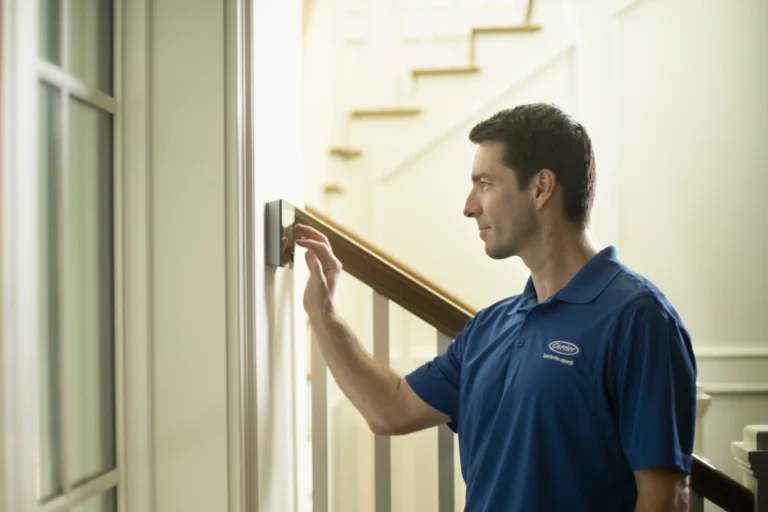
How Poor Home Maintenance Can Trigger Allergies, Mold, and Respiratory Issues in Pittsburgh Households
How Poor Home Maintenance Can Trigger Allergies, Mold, and Respiratory Issues in Pittsburgh Households
Pittsburgh's distinctive climate, with its humid summers, snowy winters, and notoriously variable shoulder seasons, places unique demands on residential HVAC systems. When homeowners neglect routine maintenance of their heating, cooling, and ventilation equipment, the consequences extend far beyond inefficient operation or higher utility bills. Poorly maintained homes become breeding grounds for allergens, mold colonies, and airborne contaminants that can severely impact the respiratory health of every family member living inside. At JA Sauer, we have witnessed firsthand how preventable indoor air quality problems develop in homes across Allegheny County, and we have spent decades helping families restore healthier living environments.
The Connection Between HVAC Neglect and Allergy Symptoms
Every time your furnace or air conditioner cycles on, it circulates the air inside your home through ductwork, filters, and coils. When these components are dirty or improperly maintained, they redistribute dust mites, pet dander, pollen, and other allergens throughout every room. Pittsburgh's tree-heavy neighborhoods produce enormous amounts of pollen during spring and fall, and that pollen infiltrates homes through doors, windows, and ventilation systems. A neglected filter cannot trap these particles effectively, allowing them to accumulate on surfaces and recirculate continuously.
Many homeowners report worsening allergy symptoms during the heating season without realizing their HVAC system is the culprit. Dust that settles in dormant air conditioning systems over winter gets blown throughout the home when summer cooling begins. Likewise, debris collected in heating components during summer becomes airborne the first time the furnace activates in October. Regular professional inspections, coil cleaning, and filter replacement break this cycle and dramatically reduce allergen exposure.
Why Pittsburgh Homes Are Particularly Vulnerable to Mold Growth
Our region's combination of high summer humidity, aging housing stock, and significant temperature swings creates ideal conditions for mold proliferation. Mold spores require only moisture, organic material, and moderate temperatures to flourish, and a neglected HVAC system provides all three. Condensate drain lines that become clogged allow water to pool inside air handlers. Evaporator coils coated with biofilm trap moisture against organic dust. Poorly insulated ductwork sweats during humid weather, soaking surrounding materials.
Basements throughout Wexford, Cranberry Township, and Sewickley frequently develop musty odors that signal active mold colonies. These spores travel through return air vents into living spaces, where occupants inhale them daily. Symptoms range from chronic sinus congestion and headaches to more serious respiratory complications for individuals with asthma or compromised immune systems. Proper humidity control, routine system maintenance, and duct cleaning are essential defenses against mold establishment.
Respiratory Health Issues Linked to Indoor Air Pollution
Indoor air can contain concentrations of pollutants two to five times higher than outdoor air, according to environmental health research. When heating and cooling systems are not properly maintained, this disparity grows worse. Combustion byproducts from aging furnaces, including carbon monoxide and nitrogen dioxide, can leak into living spaces through cracked heat exchangers. Volatile organic compounds released from building materials accumulate in poorly ventilated homes. Bacteria multiply on dirty evaporator coils and inside humidifiers.
The cumulative effect of breathing contaminated indoor air includes chronic coughing, throat irritation, fatigue, frequent respiratory infections, and exacerbation of conditions like asthma, bronchitis, and COPD. Children and elderly residents are particularly susceptible because their respiratory systems are either still developing or already compromised by age.
Maintenance Practices That Protect Your Family's Health
Establishing consistent maintenance habits prevents the vast majority of indoor air quality problems before they begin. The following practices form the foundation of a healthy home environment:
- Replace HVAC filters every one to three months using filters with appropriate MERV ratings for your system and household needs
- Schedule professional tune-ups twice annually with cooling system service in spring and heating system service in fall
- Inspect and clean condensate drain lines to prevent standing water and microbial growth inside air handlers
- Monitor indoor humidity levels keeping them between 30 and 50 percent to discourage mold and dust mite populations
- Have ductwork professionally cleaned every several years or after major renovations construction or pest infestations
Trusted Service Across the Pittsburgh Region
J.A. Sauer Co. has been in business since 1981, serving Pittsburgh, Wexford, Cranberry Township, Sewickley, and surrounding communities with comprehensive air conditioner service, AC installation, AC repair, and heating installation. Through brand recognition and a reputation for outstanding customer service, J.A. Sauer Co. continues to grow its sales, employs over 80 people, and operates more than 50 fleet vehicles to better serve the Pittsburgh community.
Protecting your family from allergies, mold, and respiratory problems starts with understanding that your HVAC system is the lungs of your home. When those lungs are clean and functioning properly, your household breathes easier in every sense. Our experienced technicians evaluate every component contributing to indoor air quality and recommend targeted solutions that match your home's specific needs and your family's health priorities.
The True Cost of Postponing Home Repairs: How Pittsburgh's Climate Makes Deferred Maintenance Even More Expensive
Every homeowner has been tempted to push a repair to next month, next season, or next year. A furnace that sounds a little louder than usual, an air conditioner that takes longer to cool the house, or a heat pump that cycles more frequently than it should — these are all signs that something needs attention. In Pittsburgh and the surrounding communities of Wexford, Cranberry Township, and Sewickley, ignoring these warning signs comes with a steeper price tag than most people realize. The unique climate of southwestern Pennsylvania accelerates wear and tear on HVAC systems in ways that make deferred maintenance particularly costly.
Why Pittsburgh's Weather Is Uniquely Punishing on HVAC Systems
Pittsburgh experiences a full four-season climate with cold, wet winters that regularly dip below freezing and humid summers where temperatures climb into the upper 80s and 90s. This wide temperature swing — often exceeding 100 degrees between seasonal extremes — means your heating and cooling equipment works hard nearly year-round. Unlike regions with mild climates where systems enjoy extended dormant periods, Pittsburgh homes demand consistent performance from both heating installation components and air conditioning units across most of the calendar year.
The freeze-thaw cycle that defines Pittsburgh winters is especially damaging. Condensation inside ductwork, refrigerant line stress from temperature fluctuations, and the constant demand placed on furnace ignition systems all contribute to accelerated degradation. When small issues go unaddressed, this relentless climate exploits every vulnerability. A minor refrigerant leak in September becomes a compressor failure by the following June. A worn blower motor bearing in October becomes a complete motor replacement in January, often during the worst possible time — a bitter cold snap when HVAC technicians are in highest demand.
The Compounding Economics of Deferred Maintenance
The U.S. Department of Energy estimates that neglected HVAC systems lose between five and fifteen percent of their efficiency each year they go without professional maintenance. For a Pittsburgh household spending an average amount on heating and cooling annually, that efficiency loss translates directly into higher utility bills. Over a three-year period of deferred maintenance, a homeowner could spend significantly more on energy costs than the maintenance itself would have required. At JA Sauer, we have seen this pattern repeatedly since we began serving the Pittsburgh community in 1981. A system that needed a relatively affordable AC repair turns into a situation requiring full AC installation because the underlying problem was allowed to cascade into catastrophic component failure.
Beyond energy costs, deferred maintenance shortens equipment lifespan dramatically. A well-maintained furnace or air conditioner can last fifteen to twenty years. Neglected systems frequently fail between eight and twelve years, meaning homeowners face premature heating installation or air conditioner replacement costs that could have been avoided entirely. When you factor in emergency service premiums, temporary heating or cooling solutions, and potential secondary damage like frozen pipes or mold growth, the true cost of postponement becomes staggering.
Common Repairs That Become Expensive When Delayed
Understanding which repairs escalate most rapidly helps homeowners prioritize their maintenance decisions. Based on decades of experience serving the Pittsburgh area, we consistently see certain deferred repairs generate the most expensive outcomes.
- Refrigerant leaks in air conditioning systems — A small leak reduces cooling capacity gradually, forcing the compressor to work harder until it burns out, turning a modest AC repair into a complete AC installation
- Dirty or clogged furnace filters left unchanged for months — Restricted airflow causes heat exchangers to overheat and crack, which creates carbon monoxide risks and requires immediate furnace replacement
- Failing capacitors in outdoor condenser units — These inexpensive components, when ignored, cause motors to draw excessive amperage and fail prematurely
- Deteriorating ductwork seals and connections — Pittsburgh's humidity infiltrates gaps, promoting mold growth and reducing system efficiency by as much as thirty percent
- Ignition system problems in gas furnaces — Intermittent ignition failures stress gas valves and control boards, multiplying repair costs significantly
Proactive Care Protects Your Investment
At JA Sauer, we employ over 80 people and maintain more than 50 fleet vehicles specifically so we can respond quickly across Pittsburgh, Wexford, Cranberry Township, Sewickley, and surrounding communities. Our air conditioner service and heating maintenance programs are designed to catch small problems before Pittsburgh's demanding climate turns them into expensive emergencies. Regular professional inspections identify worn components, calibrate system performance, and verify safe operation — all at a fraction of what emergency repairs and premature replacements cost.
Taking action today protects you from compounding costs tomorrow. Pittsburgh's climate will not become gentler on your home systems, but with consistent professional maintenance and timely repairs, your HVAC equipment can deliver reliable comfort and efficiency throughout its full intended lifespan. Do not let deferred maintenance become your most expensive home decision.
Signs Your Pittsburgh Home Is Trying to Tell You Something's Wrong: Early Warning Signals Every Homeowner Should Recognize
Your home communicates with you every single day. The sounds it makes, the temperatures you feel in different rooms, and the way your utility bills fluctuate all carry important messages about the health of your HVAC system and overall comfort infrastructure. At JA Sauer, we have been in business since 1981, serving homeowners across Pittsburgh, Wexford, Cranberry Township, and Sewickley. Over those decades, we have learned that the homeowners who catch problems early save themselves significant money and avoid the discomfort of complete system failures during the worst possible moments.
Unusual Sounds and Strange Odors from Your HVAC System
One of the earliest and most obvious signals that something is wrong comes through sound. A well-functioning heating or air conditioning system operates with a consistent, low hum. When you start hearing banging, clanking, screeching, or grinding noises, your system is telling you that components are wearing out, coming loose, or failing altogether. A banging sound from your furnace might indicate a delayed ignition problem, where gas builds up before igniting in a small explosion. Screeching could mean a worn belt or failing motor bearings. These are not sounds you should ignore or get used to over time.
Strange odors carry equally important warnings. A musty smell when your AC kicks on often points to mold growth within your ductwork or on your evaporator coils, which can compromise indoor air quality and trigger respiratory issues. A burning smell from your furnace at the start of heating season might be normal dust burning off, but if it persists beyond a day or two, it could signal overheating components or electrical problems. Rotten egg smells near gas-powered equipment require immediate attention and evacuation, as they indicate a potential gas leak.
Inconsistent Temperatures and Rising Energy Bills
If you notice that certain rooms in your Pittsburgh home feel significantly warmer or cooler than others, your system is struggling to distribute conditioned air evenly. This could stem from ductwork issues, an improperly sized system, or equipment that is losing efficiency as it ages. According to the Department of Energy, heating and cooling account for roughly 48 percent of the average American home's energy consumption. When your system starts working harder to maintain the same comfort levels, that percentage climbs even higher.
Rising energy bills without a corresponding change in usage patterns represent one of the clearest warning signs that your HVAC equipment needs professional attention. Whether you need AC repair, air conditioner service, or a full heating installation evaluation, catching efficiency losses early prevents them from compounding into major expenses. At JA Sauer, we employ over 80 people and maintain over 50 fleet vehicles specifically so we can respond quickly when Pittsburgh-area homeowners recognize these warning signs and need expert diagnosis.
Physical Signs You Can See and Feel
Your home provides visual cues that are just as important as what you hear or smell. Watch for these critical indicators:
- Excessive humidity or condensation on windows during summer months, which suggests your air conditioning system is not properly dehumidifying your home
- Ice formation on your outdoor AC unit or refrigerant lines, pointing to airflow restrictions or refrigerant leaks that demand immediate AC repair
- Visible rust, cracks, or corrosion on your furnace or heat exchanger, which can lead to dangerous carbon monoxide leaks
- Dust accumulation that seems worse than normal, indicating ductwork deterioration or filtration problems
- Water pooling around your indoor unit, suggesting a clogged condensate drain or other drainage issue
Your System's Age and Performance History
Most HVAC systems have a functional lifespan of 15 to 20 years for furnaces and 12 to 15 years for air conditioners. If your equipment is approaching or exceeding these benchmarks, the warning signs above become even more significant. Frequent repairs that seem to come closer and closer together are your home's way of telling you that AC installation or heating installation should be on your radar. Modern high-efficiency systems can reduce energy consumption by 20 to 40 percent compared to older models, making replacement an investment that pays for itself.
We encourage every homeowner to keep a log of repairs, unusual behaviors, and comfort complaints. This history becomes invaluable when our technicians evaluate your system and help you decide between repair and replacement. Through our reputation for outstanding customer service built over more than four decades, JA Sauer has helped thousands of families across Pittsburgh, Wexford, Cranberry Township, and Sewickley interpret what their homes are telling them and take action before small problems become emergencies. Trust what your home is telling you, and reach out to our team when those signals start appearing.
Future-Proofing Your Pittsburgh Home: Smart Infrastructure Upgrades for the Next Decade
Pittsburgh homeowners face unique challenges when it comes to maintaining comfortable, energy-efficient living spaces. Our region experiences dramatic temperature swings, from humid summers that push air conditioning systems to their limits to bitter winters that demand reliable heating performance. At JA Sauer, we have been helping families across Pittsburgh, Wexford, Cranberry Township, and Sewickley navigate these challenges since 1981. With over four decades of experience, we understand that the decisions you make today about your home's HVAC infrastructure will determine your comfort, energy costs, and environmental impact for the next ten years and beyond.
Why Future-Proofing Matters Now More Than Ever
The residential HVAC industry is undergoing its most significant transformation in decades. Federal efficiency standards are tightening, refrigerant regulations are shifting away from older chemical compounds, and smart technology is fundamentally changing how heating and cooling systems operate. The Department of Energy estimates that heating and cooling account for nearly half of a typical home's energy consumption, making your HVAC system the single most impactful upgrade you can make for long-term savings and sustainability.
Pittsburgh's aging housing stock adds another layer of urgency. Many homes in our service area were built with ductwork, insulation, and mechanical systems that reflect standards from previous decades. As utility costs continue to rise and extreme weather events become more frequent, investing in modern infrastructure is not just about comfort. It is about protecting your home's value and ensuring resilience against whatever the next decade brings. Our team of over 80 employees and fleet of more than 50 vehicles allow us to serve the greater Pittsburgh community with the responsiveness and expertise that future-proofing projects demand.
High-Efficiency Heating Systems Built for Tomorrow
Modern heating service goes far beyond simply replacing an old furnace with a new one. Today's high-efficiency furnaces achieve Annual Fuel Utilization Efficiency ratings of 96% or higher, meaning nearly every dollar you spend on fuel translates directly into warmth for your home. Variable-speed blower motors adjust output in real time, maintaining consistent temperatures while dramatically reducing energy waste compared to single-stage systems that cycle on and off repeatedly.
Heat pump technology has also advanced to the point where it represents a viable primary heating solution even in Pittsburgh's cold climate. Cold-climate heat pumps can now extract usable heat from outdoor air at temperatures well below zero degrees Fahrenheit. When paired with a backup furnace in a dual-fuel configuration, these systems automatically switch between electric and gas operation based on outdoor conditions, optimizing efficiency throughout every season. This kind of intelligent infrastructure ensures your home stays ahead of evolving energy standards.
Air Conditioning Systems Designed for the Next Generation
AC installation has become increasingly sophisticated as manufacturers integrate variable-speed compressor technology, advanced refrigerants, and smart diagnostics into their equipment. Systems using R-410A refrigerant are already being phased in favor of lower global warming potential alternatives like R-32 and R-454B. Choosing a system today that accommodates these transitions protects you from costly retrofits down the road.
When we handle AC repair and air conditioner service, we evaluate not just the immediate issue but the broader health of your cooling infrastructure. Key future-proofing considerations include:
- Variable-speed compressor technology that adjusts cooling output incrementally rather than cycling between full power and off, reducing energy use by up to 40%
- Smart thermostat integration that enables learning algorithms, geofencing, and remote diagnostics through mobile applications
- Zoned cooling systems that direct conditioned air only where it is needed, eliminating waste in unoccupied rooms
- Enhanced air filtration that combines HEPA-grade media filters with UV-C germicidal lights for superior indoor air quality
Smart Infrastructure Integration and Whole-Home Planning
True future-proofing requires a holistic approach that considers how every component of your home's mechanical systems works together. At JA Sauer, we evaluate ductwork integrity, insulation levels, electrical capacity, and thermostat compatibility as part of a comprehensive assessment before recommending upgrades. A high-efficiency furnace paired with leaking ductwork loses much of its performance advantage, which is why system-wide planning matters.
Smart home integration represents another critical dimension. Modern HVAC systems can communicate with home automation platforms, providing real-time performance data, predictive maintenance alerts, and energy consumption analytics. These capabilities allow homeowners to identify inefficiencies early, schedule proactive service, and make data-driven decisions about future upgrades. Our ongoing commitment to growth through brand recognition and outstanding customer service means we stay current with these emerging technologies so our customers always have access to the best solutions available. By investing strategically in smart infrastructure today, Pittsburgh homeowners can enjoy lower operating costs, improved comfort, and genuine peace of mind for the decade ahead.
Smart HVAC Upgrades That Transform Your Monthly Budget
Your heating and cooling system represents one of the most significant opportunities for long-term savings in your Pittsburgh home. Modern high-efficiency furnaces and air conditioners drastically reduce energy consumption compared to units installed even ten years ago. When we install a new system at JA Sauer, we typically see homeowners experience 20-40% reductions in their heating and cooling costs. These savings become especially pronounced during our harsh Western Pennsylvania winters when your furnace runs constantly to maintain comfortable temperatures. The technology behind today's HVAC equipment includes variable-speed motors, modulating gas valves, and advanced heat exchangers that extract maximum energy from every cubic foot of natural gas or kilowatt of electricity. Two-stage and variable-capacity systems adjust their output based on actual heating or cooling demand, eliminating the energy waste associated with older single-stage units that only operate at full capacity. This precision operation not only saves money but also maintains more consistent temperatures throughout your home, eliminating those uncomfortable hot and cold spots that plague older systems.Programmable and Smart Thermostats: The Gateway to Automated Savings
Installing a programmable or smart thermostat delivers immediate returns through intelligent temperature management. These devices learn your family's schedule and automatically adjust temperatures when you're away or sleeping, potentially reducing heating and cooling costs by 10-23% annually. Smart thermostats take this concept further by connecting to weather forecasts, adjusting for humidity levels, and even detecting when you're approaching home through smartphone geolocation. Our technicians regularly install these systems throughout Wexford, Cranberry Township, and Sewickley, and we've observed that homeowners who properly utilize their programmable thermostats save an average of $180-$250 per year. The most advanced models provide detailed energy reports showing exactly when and how your system operates, helping you identify additional opportunities for savings. Some utility companies in the Pittsburgh area even offer rebates for smart thermostat installation, further accelerating your return on investment.Preventive Maintenance Technologies That Prevent Costly Breakdowns
Regular maintenance might seem like an expense rather than an investment, but the technology and techniques we employ during service visits protect against catastrophic failures that cost thousands to repair. Since 1981, we've serviced countless systems throughout Pittsburgh, and our data consistently shows that properly maintained equipment lasts 40-60% longer than neglected units. This translates to delaying a $5,000-$8,000 replacement by five to seven years. Modern diagnostic tools allow our technicians to detect developing problems before they cause system failures. Infrared cameras identify hot spots in electrical connections, digital manifold gauges precisely measure refrigerant levels, and combustion analyzers ensure your furnace operates at peak efficiency. These preventive measures catch minor issues when repairs cost hundreds rather than thousands of dollars. Additionally, maintained systems operate more efficiently, using less energy to achieve the same comfort levels.Essential Home Technologies Beyond HVAC
While heating and cooling systems form the backbone of home comfort, several other technologies deliver impressive returns on investment. Consider these proven money-savers:- Whole-house surge protectors shield your HVAC equipment, appliances, and electronics from damaging power spikes that frequently occur in our region's aging electrical grid
- UV air purification systems eliminate mold, bacteria, and viruses from your air stream while preventing biological growth on cooling coils that reduces system efficiency
- High-efficiency water heaters reduce energy consumption by 20-50% compared to traditional models while providing unlimited hot water through tankless designs
Calculating Your Return on Investment
Understanding payback periods helps prioritize which technologies to implement first. A new high-efficiency air conditioner installed by our team typically pays for itself through energy savings within five to seven years, while a smart thermostat achieves payback in just 18-24 months. Maintenance agreements, which include regular tune-ups and priority service, often pay for themselves through prevented breakdowns and extended equipment life within the first year. With over 80 employees and 50 fleet vehicles serving the greater Pittsburgh area, we've accumulated extensive data on actual homeowner savings. The combination of energy efficiency improvements, smart controls, and preventive maintenance typically reduces total home operating costs by 25-35%. These aren't theoretical projections but real results we've documented across thousands of installations and service calls throughout Western Pennsylvania. Your investment in essential home maintenance technologies creates compound benefits: lower monthly bills, increased home value, improved comfort, and reduced environmental impact. Each technology builds upon the others, creating a comprehensive system that protects your investment while delivering measurable returns year after year.The Reality of Unexpected Home Maintenance Expenses
Moving into a new home in Pittsburgh brings excitement and anticipation, but many homeowners quickly discover that their initial budget calculations missed several critical expenses. At JA Sauer, we've witnessed countless situations where new homeowners face unexpected heating and cooling system issues within their first year. These hidden costs often emerge when aging HVAC equipment, which passed basic inspection, begins failing under daily use. The temperature extremes in Western Pennsylvania, from humid summers to freezing winters, place tremendous stress on heating and cooling systems that may have been marginally maintained by previous owners. The financial impact extends beyond simple repairs. When a furnace fails in January or an air conditioner breaks during a July heatwave, homeowners face emergency service calls that cost significantly more than routine maintenance would have. We've built our reputation since 1981 by helping Pittsburgh area families navigate these challenging situations, understanding that proper HVAC system evaluation before problems arise can save thousands of dollars in emergency repairs and energy costs.Overlooked HVAC System Deficiencies
Home inspections typically verify that heating and cooling systems turn on and produce warm or cool air, but these basic checks miss numerous underlying problems. Inefficient ductwork, often hidden in walls and ceilings, can leak 20-30% of conditioned air, driving energy bills up by hundreds of dollars monthly. Our technicians frequently discover improperly sized equipment installed by previous contractors, where oversized units cycle too frequently, causing premature wear and uncomfortable temperature swings throughout homes in Wexford, Cranberry Township, and Sewickley. Additionally, many homeowners inherit HVAC systems nearing the end of their operational lifespan. A furnace might function during inspection but could be 18 years into its typical 15-20 year lifespan, with deteriorating heat exchangers posing safety risks and efficiency losses exceeding 40%. Air conditioning units face similar challenges, with refrigerant leaks, worn compressors, and corroded coils creating problems that manifest months after move-in. Our fleet of over 50 service vehicles regularly responds to these discoveries, where new homeowners suddenly face replacement costs ranging into thousands of dollars for equipment they assumed would last several more years.Energy Efficiency Surprises and Utility Bill Shock
The first utility bills often shock new homeowners who based their budget on previous rental experiences or estimates from online calculators. Older Pittsburgh homes, particularly those built before modern insulation standards, can hemorrhage heated and cooled air through inadequate insulation, single-pane windows, and unsealed penetrations. We frequently encounter situations where homeowners discover their heating bills exceed their mortgage payments during peak winter months, a scenario that proper HVAC system evaluation and efficiency improvements could have prevented. Beyond insulation issues, outdated thermostats, lack of zoning systems, and inefficient equipment combinations create perfect storms of energy waste. Our team of over 80 professionals has documented cases where simple upgrades like programmable thermostats and regular filter changes reduce energy consumption by 15-25%, translating to substantial annual savings that compound over years of homeownership.Critical Maintenance Requirements Often Ignored
- Annual furnace inspections that prevent carbon monoxide risks and identify developing problems before catastrophic failure
- Seasonal AC service including coil cleaning, refrigerant level checks, and electrical component testing to maintain efficiency
- Ductwork cleaning and sealing every 3-5 years to remove accumulated debris and eliminate energy-wasting leaks
- Filter replacement programs ensuring proper airflow and preventing system strain that shortens equipment lifespan
- Humidity control system maintenance protecting both comfort and home structure from moisture damage
Planning for Long-Term HVAC Investment
Smart homeowners recognize that HVAC systems represent major investments requiring strategic planning beyond emergency repairs. Modern high-efficiency equipment, while carrying higher upfront costs, delivers returns through reduced energy consumption, improved comfort, and enhanced home value. We guide homeowners through equipment selection processes, considering factors like SEER ratings for air conditioners, AFUE percentages for furnaces, and compatibility with existing ductwork and electrical systems. Understanding these hidden costs empowers Pittsburgh homeowners to make informed decisions about their properties. Whether addressing immediate repairs in established neighborhoods or planning system upgrades in growing communities throughout the region, proper HVAC planning transforms potential financial surprises into manageable, budgeted expenses that protect both comfort and investment value for years ahead.The Hidden Connection Between Home Comfort and Mental Wellness
Your home environment profoundly impacts your psychological well-being in ways you might not immediately recognize. When heating and cooling systems function properly, they create consistent temperatures that help regulate your body's natural rhythms and stress responses. Research indicates that temperature fluctuations can trigger cortisol production, the primary stress hormone that affects mood, sleep quality, and overall mental health. Pittsburgh families experience dramatic seasonal changes, making reliable HVAC systems essential for maintaining the stable indoor environments that promote emotional equilibrium. The relationship between physical comfort and mental state extends beyond simple temperature control. When your heating system struggles during harsh Pennsylvania winters or your air conditioning fails during humid summers, your body expends extra energy trying to maintain homeostasis. This constant physical adjustment drains mental resources you need for daily tasks, family interactions, and work responsibilities. At JA Sauer, we understand that properly functioning climate control systems do more than keep you comfortable—they preserve the mental energy you need to thrive in your daily life.How Temperature Instability Creates Chronic Stress Patterns
Inconsistent indoor temperatures force your nervous system into a state of constant adaptation, triggering low-level stress responses throughout the day. When rooms vary significantly in temperature or when systems cycle on and off irregularly, your body never fully relaxes into a comfortable baseline. This ongoing adjustment process manifests as irritability, difficulty concentrating, and increased tension among family members. Modern heat pumps and ductless HVAC systems offer precise temperature control that eliminates these fluctuations, creating the stable environment your nervous system needs to maintain calm. The impact becomes particularly pronounced during sleep hours when temperature regulation directly affects sleep quality and recovery. Studies show that even minor temperature variations can disrupt REM sleep cycles, leading to daytime fatigue, reduced emotional regulation, and impaired decision-making abilities. Families in Wexford, Cranberry Township, and Sewickley often report improved sleep quality after upgrading to properly sized, efficiently operating HVAC systems that maintain consistent nighttime temperatures without disruptive cycling or noise.Indoor Air Quality and Cognitive Performance
Beyond temperature control, your HVAC system plays a crucial role in maintaining the air quality that directly influences cognitive function and emotional well-being. Poorly maintained systems accumulate dust, mold spores, and other contaminants that reduce oxygen flow to the brain and trigger inflammatory responses linked to anxiety and depression. Regular AC repair and maintenance services ensure your system effectively filters these pollutants while maintaining proper humidity levels that prevent both excessive dryness and dampness-related issues. The importance of clean, well-circulated air becomes evident when considering that Americans spend approximately ninety percent of their time indoors. Poor ventilation leads to carbon dioxide buildup that causes drowsiness, headaches, and difficulty focusing—symptoms often mistaken for stress or fatigue. Since 1981, we've helped Pittsburgh area families understand how proper air conditioning installation includes ventilation strategies that maintain optimal oxygen levels and remove stale air, creating environments that support mental clarity and emotional stability.Creating Sanctuary Spaces Through Reliable Climate Control
Your home should serve as a retreat from external stressors, but malfunctioning HVAC systems transform living spaces into sources of additional worry. The anxiety of wondering whether your heating will fail during a cold snap or if your air conditioning can handle summer heat adds unnecessary mental burden to already busy lives. With over 80 employees and more than 50 fleet vehicles serving the Pittsburgh community, JA Sauer provides the responsive service that eliminates these concerns, allowing you to trust your home environment completely.The Benefits of Proactive HVAC Maintenance
Establishing regular maintenance schedules for your heating and cooling systems provides psychological benefits beyond preventing breakdowns:- Predictable comfort - knowing your systems will perform reliably reduces anticipatory anxiety about seasonal changes
- Financial peace of mind - preventive maintenance costs less than emergency repairs, eliminating unexpected budget stress
- Quieter operation - well-maintained systems run more quietly, preserving the peaceful atmosphere essential for relaxation
- Energy efficiency - efficient systems reduce utility bills, decreasing financial pressure on household budgets
The Critical Components of HVAC Service Quotes
When you're facing an air conditioning breakdown in the middle of a Pittsburgh summer or your heating system fails during a January cold snap, getting an accurate service quote becomes essential. At JA Sauer, we've been providing detailed estimates for HVAC services since 1981, and we understand that transparency in pricing helps homeowners make informed decisions. A comprehensive HVAC service quote should include several key elements that protect both you and the contractor from unexpected costs and misunderstandings. Every legitimate service quote should begin with a thorough system assessment that identifies the specific issue, whether it's AC repair, heat pump installation, or ductless HVAC system maintenance. The quote should clearly itemize labor costs, which typically account for 35-50% of the total project cost in the Pittsburgh area. Parts and equipment should be listed with manufacturer names and model numbers, especially for major components like compressors, condensers, or air handlers. Additionally, the quote should specify warranty information for both parts and labor, disposal fees for old equipment, and any necessary permits required by Allegheny County or local municipalities like Wexford, Cranberry Township, or Sewickley.Understanding the Difference Between Estimates and Fixed Quotes
Many Pittsburgh homeowners don't realize that estimates and fixed quotes serve different purposes and carry different obligations. An estimate provides an approximate cost range based on initial assessment and typical industry pricing for similar projects. These are particularly common for diagnostic visits where the full extent of repairs won't be known until the system is thoroughly examined. For instance, what appears to be a simple AC repair might reveal additional issues once technicians access the unit's internal components. Estimates usually include language indicating that final costs may vary by 10-20% depending on unforeseen circumstances. Fixed quotes, on the other hand, represent a contractor's commitment to complete specified work for an exact price, regardless of minor complications that arise. We typically provide fixed quotes for standard installations like replacing a furnace or installing a new air conditioning system where variables are minimal. These quotes remain valid for a specific period, usually 30-60 days, to account for potential fluctuations in equipment and material costs. When reviewing any quote from HVAC contractors, pay attention to expiration dates and any conditions that might void the quoted price.Red Flags to Watch for in Contractor Estimates
Throughout our decades of service in the Pittsburgh region, we've heard countless stories from homeowners who've encountered misleading or incomplete quotes from less reputable contractors. Unusually low estimates often indicate corners will be cut or surprise charges will appear later. Be wary of quotes that don't include permit costs, as most HVAC installations and major repairs in Pennsylvania require permits that can range from $50 to $500 depending on the scope of work. Vague language represents another warning sign. Terms like "miscellaneous fees" or "additional materials as needed" without specific dollar amounts attached create opportunities for inflated final bills. Legitimate contractors specify exactly what's included and what situations might incur additional charges. Also, be cautious of high-pressure tactics pushing immediate decisions. With over 50 fleet vehicles serving the Pittsburgh community, established companies like ours can accommodate urgent needs without requiring instant commitments on major investments like heat pump installations or complete HVAC system replacements.Essential Questions to Ask Before Accepting Any Quote
- What specific manufacturer warranties apply to the equipment? Quality HVAC components typically include 5-10 year manufacturer warranties.
- How long is the labor warranty? Reputable contractors offer at least one year on installation and repair work.
- Are there any potential additional costs not reflected in this quote? This helps identify hidden fees before work begins.
- What happens if additional problems are discovered during the work? Understanding the change order process prevents surprises.
- Is your company properly licensed and insured in Pennsylvania? Verification protects you from liability and ensures professional standards.
Making Informed Decisions for Your Home's Comfort
Investing in your home's HVAC system requires careful consideration of both immediate costs and long-term value. Quality installations and repairs might cost more initially but save thousands in energy bills and premature replacement costs. Our team of over 80 employees has witnessed how proper installation of energy-efficient systems, particularly modern ductless HVAC units and high-efficiency heat pumps, can reduce utility costs by 20-40% while improving home comfort significantly. Remember that the lowest quote doesn't always represent the best value. Consider factors like company reputation, warranty coverage, energy efficiency ratings, and ongoing service support when evaluating proposals. Established contractors with strong local presence and decades of experience typically provide more reliable service and stand behind their work, ensuring your investment in home comfort provides lasting returns.Understanding the DIY Temptation in Home HVAC Projects
The satisfaction of completing a home improvement project yourself runs deep in Pittsburgh's character. From the steel mills that built America to the neighborhood pride that maintains century-old homes throughout Squirrel Hill and Shadyside, we understand the value of hard work and self-reliance. When your air conditioning sputters on a humid July afternoon or your furnace struggles during a January cold snap, the immediate impulse might be to grab your toolbox and tackle the problem yourself. YouTube tutorials and online forums make HVAC repairs seem straightforward, and the potential cost savings appear substantial when you're looking at service quotes. However, HVAC systems have evolved dramatically from the simple mechanical units of decades past. Modern air conditioning installation involves sophisticated electronic controls, refrigerant handling that requires EPA certification, and electrical work that demands professional expertise. The heat pumps gaining popularity across Cranberry Township and Wexford represent complex technology that combines heating and cooling capabilities through advanced thermodynamic principles. Even seemingly simple tasks like replacing a thermostat now involve programming, wireless connectivity, and integration with whole-home automation systems that can overwhelm the average homeowner.Recognizing Projects Within Your Capability
Certain HVAC maintenance tasks remain perfectly suitable for motivated homeowners. Changing air filters monthly during peak seasons keeps your system running efficiently and improves indoor air quality. Cleaning debris from around outdoor condensing units, ensuring at least two feet of clearance on all sides, prevents airflow restrictions that strain your equipment. Checking and cleaning condensate drain lines prevents water damage and maintains proper humidity control. Programming your thermostat for optimal comfort and efficiency, adjusting vents to balance room temperatures, and inspecting visible ductwork for obvious damage all fall within reasonable DIY territory. Regular visual inspections help you identify potential issues before they escalate into major problems. Look for ice formation on air conditioning components, unusual sounds during operation, or inconsistent temperatures between rooms. These observations prove invaluable when communicating with professionals, helping technicians diagnose issues more quickly and accurately. Keeping detailed maintenance records, including filter changes and any unusual observations, creates a valuable history that professionals can reference during service calls.Critical Situations Demanding Professional Expertise
Refrigerant handling represents one of the clearest lines between DIY and professional territory. Federal law requires EPA certification for anyone purchasing or handling refrigerants, and violations carry substantial penalties. Beyond legal requirements, improper refrigerant charging damages compressors, reduces efficiency, and shortens equipment life. When your AC repair involves refrigerant leaks, low charge conditions, or system conversions to newer refrigerant types, professional service becomes non-negotiable. Electrical work within HVAC systems poses serious safety risks and code compliance issues. While changing a thermostat might seem simple, improper wiring can damage expensive control boards or create fire hazards. Installation of new circuits for heat pumps or ductless HVAC systems requires permits, inspections, and adherence to National Electrical Code requirements that vary across municipalities from Pittsburgh to Sewickley. Gas furnace repairs introduce carbon monoxide risks that threaten your family's safety. Improper venting, cracked heat exchangers, or faulty gas valves can create deadly situations that only trained professionals can safely diagnose and repair.The Hidden Costs of DIY HVAC Mistakes
When DIY repairs go wrong, the financial consequences often exceed the original professional service cost. Warranty violations represent an immediate concern, as manufacturers typically void coverage when unlicensed individuals perform repairs or modifications. Since 1981, we at JA Sauer have witnessed countless situations where well-intentioned DIY attempts created cascading failures throughout HVAC systems. A seemingly minor wiring error can destroy a control board costing hundreds of dollars. Incorrect refrigerant charging accelerates compressor wear, potentially requiring complete system replacement years before necessary. Insurance implications further complicate DIY decisions. Homeowner's insurance policies often exclude damage caused by unlicensed work, leaving you financially responsible for any resulting problems. Property damage from water leaks, fire damage from electrical issues, or health consequences from carbon monoxide exposure can create liability extending far beyond initial repair costs.Making the Smart Decision for Your Home
- Call professionals immediately when you smell gas, detect electrical burning odors, or suspect carbon monoxide issues
- Schedule expert service for annual maintenance, refrigerant work, electrical modifications, or complete system failures
- Consider professional consultation when utility bills spike unexpectedly, comfort problems persist despite DIY efforts, or equipment approaches replacement age
- Maintain DIY efforts for filter changes, basic cleaning, thermostat adjustments, and visual inspections
The Hidden Costs of DIY and Budget HVAC Repairs
When your air conditioning fails during a Pittsburgh summer or your heating system struggles through a February cold snap, the temptation to opt for the cheapest, fastest fix becomes overwhelming. We understand that impulse at JA Sauer, having served homeowners throughout Pittsburgh, Wexford, Cranberry Township, and Sewickley since 1981. However, what appears to be a money-saving decision often transforms into a costly mistake that compounds over time. Consider the typical scenario: a homeowner experiences reduced cooling efficiency and calls the first available technician offering rock-bottom prices. That technician might add refrigerant without checking for leaks, temporarily restoring comfort but ignoring the underlying problem. Within weeks or months, the system fails again, requiring another service call, more refrigerant, and eventually major component failures that could have been prevented. This cycle of patch repairs ultimately costs far more than addressing the root cause properly from the beginning.Understanding the True Economics of Professional HVAC Service
Professional HVAC solutions involve comprehensive diagnostics that identify not just symptoms but underlying causes. When our technicians arrive in one of our 50 fleet vehicles, they bring sophisticated diagnostic equipment and decades of collective experience. A proper AC repair begins with system-wide evaluation, checking refrigerant pressures, electrical connections, airflow measurements, and component functionality. This thorough approach might reveal that low cooling isn't just about refrigerant levels but includes a failing capacitor, restricted airflow from dirty coils, or ductwork leaks reducing system efficiency by up to 30%. The financial mathematics strongly favor professional service. Industry data shows that properly maintained HVAC systems last 40% longer than neglected units. For a typical residential air conditioning installation costing $5,000 to $8,000, extending lifespan from 10 to 14 years represents thousands in deferred replacement costs. Additionally, professional maintenance reduces energy consumption by 15-25%, translating to $200-400 annual savings for average Pittsburgh homes. These savings compound over time, far exceeding the difference between budget and professional service costs.Common Quick-Fix Pitfalls That Pittsburgh Homeowners Face
The most expensive quick fixes we encounter involve improper heat pump installations and repairs. Heat pumps require precise refrigerant charging and careful attention to both heating and cooling modes. Amateur installers often size systems incorrectly, leading to short cycling that destroys compressors prematurely. We frequently service homes where previous contractors installed oversized units thinking "bigger is better," resulting in humidity problems, uncomfortable temperature swings, and equipment failures within five years instead of the expected fifteen. Ductless HVAC systems present another area where shortcuts prove costly. These systems require proper line set installation, correct refrigerant charging, and appropriate placement for optimal air distribution. Quick-fix installers might skip nitrogen purging during installation, introducing moisture that causes compressor failure. They might use improper mounting brackets, leading to vibration issues and premature wear. Our team of over 80 professionals has witnessed countless cases where homeowners paid twice: first for substandard installation, then for complete system replacement when repairs became impossible.Making Smart Investment Decisions for Your Home Comfort
Smart HVAC investment begins with understanding total cost of ownership rather than focusing solely on upfront prices. Professional installation and service include:- Comprehensive warranties that protect against defects and installation errors
- Energy efficiency optimization that reduces monthly utility bills
- Proper equipment sizing based on detailed load calculations
- Code compliance ensuring safety and avoiding costly violations
- Preventive maintenance programs that catch problems before they escalate