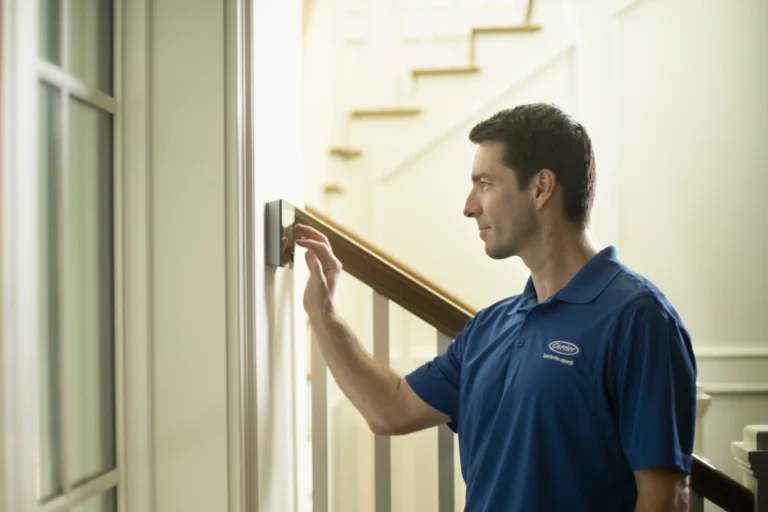

Understanding Heating System Failures in Wexford Homes
When winter temperatures drop below freezing in Wexford, PA, a functioning heating system becomes essential for maintaining comfort and safety in your home. Heating systems typically fail at the most inconvenient times, often during extreme cold snaps when the equipment operates under maximum stress. Understanding the common causes of heating failures helps homeowners recognize early warning signs before complete system breakdown occurs. Age-related deterioration affects most heating components, particularly in systems over ten years old. Heat exchangers develop microscopic cracks from repeated thermal expansion and contraction cycles, while electrical components gradually degrade from constant use. Mechanical parts like blower motors and inducer fans accumulate dust and debris, causing increased friction and eventual bearing failure.
Environmental factors specific to Western Pennsylvania contribute significantly to heating system wear. The region’s humid summers followed by harsh winters create condensation issues that accelerate corrosion in metal components. Temperature fluctuations between seasons cause expansion and contraction stress on heat exchangers, gas valves, and electrical connections. Additionally, the area’s hard water deposits minerals throughout hydronic heating systems, reducing efficiency and causing premature pump failures. Regular heating repair addresses these regional challenges before they escalate into emergency situations requiring immediate intervention.
Professional Furnace Repair Techniques and Diagnostics
Modern furnace repair requires sophisticated diagnostic equipment and extensive technical knowledge to identify complex problems accurately. Our HVAC technicians utilize digital multimeters to test electrical circuits, measuring voltage, amperage, and resistance throughout the system’s control boards and safety switches. Combustion analyzers evaluate the efficiency of gas burning, detecting dangerous carbon monoxide levels and improper air-to-fuel ratios that indicate burner problems or ventilation issues. Infrared cameras reveal heat distribution patterns, identifying blocked ducts, failing heat exchangers, or inadequate insulation that compromises system performance.
The diagnostic process begins with a comprehensive system evaluation, examining both visible components and hidden elements that affect operation. Technicians inspect the thermostat calibration, ensuring accurate temperature readings and proper communication with the furnace control board. Gas pressure measurements verify adequate fuel supply while manometers test static pressure throughout the ductwork system. Since 1981, J.A.Sauer Co. has refined these diagnostic procedures, developing systematic approaches that identify root causes rather than treating symptoms. This thorough methodology prevents recurring problems and extends equipment lifespan through targeted repairs addressing underlying issues.
Critical Heater Repair Components and Replacement Procedures
Heat exchangers represent the most critical furnace component, transferring combustion heat to circulating air while preventing dangerous gases from entering living spaces. When cracks develop in heat exchangers, carbon monoxide can leak into homes, creating life-threatening situations requiring immediate replacement. Modern high-efficiency furnaces utilize secondary heat exchangers that extract additional heat from exhaust gases, improving efficiency but adding complexity to repair procedures. Replacement involves removing the entire furnace cabinet, disconnecting gas lines, and carefully extracting the damaged exchanger while preserving surrounding components.
- Ignition systems: Hot surface igniters gradually weaken over time, requiring replacement every three to five years depending on usage patterns
- Control boards: Electronic control modules manage all furnace operations, from ignition sequences to blower speeds and safety shutoffs
- Blower motors: Variable-speed motors provide precise airflow control but require specialized programming during replacement
- Gas valves: These precision components regulate fuel flow and require exact calibration to maintain proper combustion
- Flame sensors: These safety devices detect proper ignition and shut down gas flow if flames extinguish unexpectedly
Emergency Heating Services and Response Protocols
Heating emergencies demand immediate response, particularly during severe weather events when temperatures threaten pipe freezing and property damage. Our emergency response team, supported by over 50 fleet vehicles serving the Pittsburgh community, maintains readiness for rapid deployment throughout Wexford neighborhoods. Emergency protocols prioritize life-safety issues, addressing carbon monoxide concerns and complete heating failures affecting elderly residents or families with young children. Technicians carry extensive parts inventories, enabling immediate repairs for common failures without requiring return trips for components.
Statistical analysis indicates that 68% of emergency heating calls occur during nighttime hours when temperatures reach their lowest points. Extended runtime during extreme cold reveals weaknesses in aging systems that function adequately during moderate conditions. With over 80 employees, J.A.Sauer Co. maintains sufficient staffing for simultaneous emergency responses while continuing scheduled maintenance services. Our reputation for outstanding customer service extends to emergency situations, where clear communication about repair options and timelines helps homeowners make informed decisions under stressful circumstances. Experience gained through decades of emergency response enables accurate problem diagnosis even in challenging conditions, minimizing repair time and restoring heat quickly to affected homes throughout the Wexford area.